If it weren’t for VASSAL, I probably would have walked away from wargaming years ago. During my working years, finding time to set up and play a game that lasted three to five hours was tough. Anything longer? Good luck. Between work, raising kids, and everything else life throws at you, spending an uninterrupted afternoon pushing counters was a luxury.
When I lived in Albuquerque, I had a great group of four to six friends who played Advanced Squad Leader. Twice a month, we would get together on a Saturday and spend the day rolling dice, moving squads, and enjoying each other’s company. Those were great days. Having friends nearby who enjoy the same games makes this hobby even better.
But what happens when you don’t have that group? Maybe you move. Maybe your regular opponent’s schedule changes. Or maybe nobody within driving distance wants to spend Saturday figuring out whether your squad has a clear line of sight.
VASSAL to the rescue.
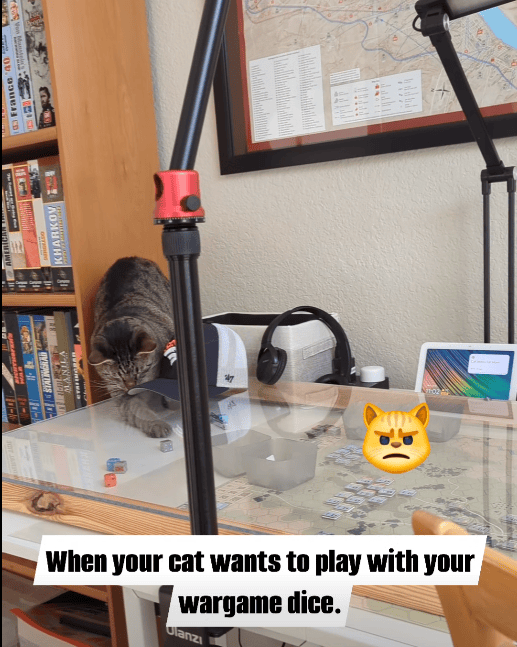
For me, its biggest benefit is that it makes playing possible. Your opponent can live across town or across the country. You can play for an hour, save the game, and pick it up another evening. The dining room table stays available for dinner, and nobody has to worry about the cat launching an offensive through the middle of your battlefield.
It also gives you the opportunity to learn alongside someone who knows the game. Having another player walk you through a turn can make a rulebook that seemed overwhelming start to make sense.
I still love sitting across the table from a friend with a physical game between us. But VASSAL kept me connected to the hobby when life made those opportunities scarce. It helped turn games I wanted to play into games I actually played.
That is the great thing about VASSAL: it opens the door to more gaming. Unfortunately, some modules make getting through that door harder than it should be.
Inconsistent interfaces are one of my biggest frustrations. You learn how to do something in one module, then open another and discover that the same action works differently. Add unclear instructions or confusing menus, and suddenly you are learning two things at once: the game and how to operate its module. By the time you find the right command, you could have forgotten what you wanted that squad to do.
Great Games, Frustrating Modules
That is the great thing about VASSAL: it opens the door to more gaming. Unfortunately, some modules make getting through that door harder than it should be.
Inconsistent interfaces are one of my biggest frustrations. You learn how to do something in one module, then open another and discover that the same action works differently. Add unclear instructions or confusing menus, and suddenly you are learning two things at once: the game and how to operate its module. By the time you find the right command, you could have forgotten what you wanted that squad to do.
Still, there is a difference between a module that takes some effort to learn and one that simply does not work well enough to play.
Imperial Tide is my example. In my experience, its module is unplayable. That is frustrating because I think the game itself is fantastic. I would love to see someone fix the module, but based on my impression of Compass Games’ leadership and its enthusiasm for VASSAL, I am not optimistic.
I also wonder how many potential players it is missing. A working module would let me play Imperial Tide with distant friends and introduce them to a game I enjoy. Would that lead to more physical copies being sold? I cannot prove it, but I certainly think it could.
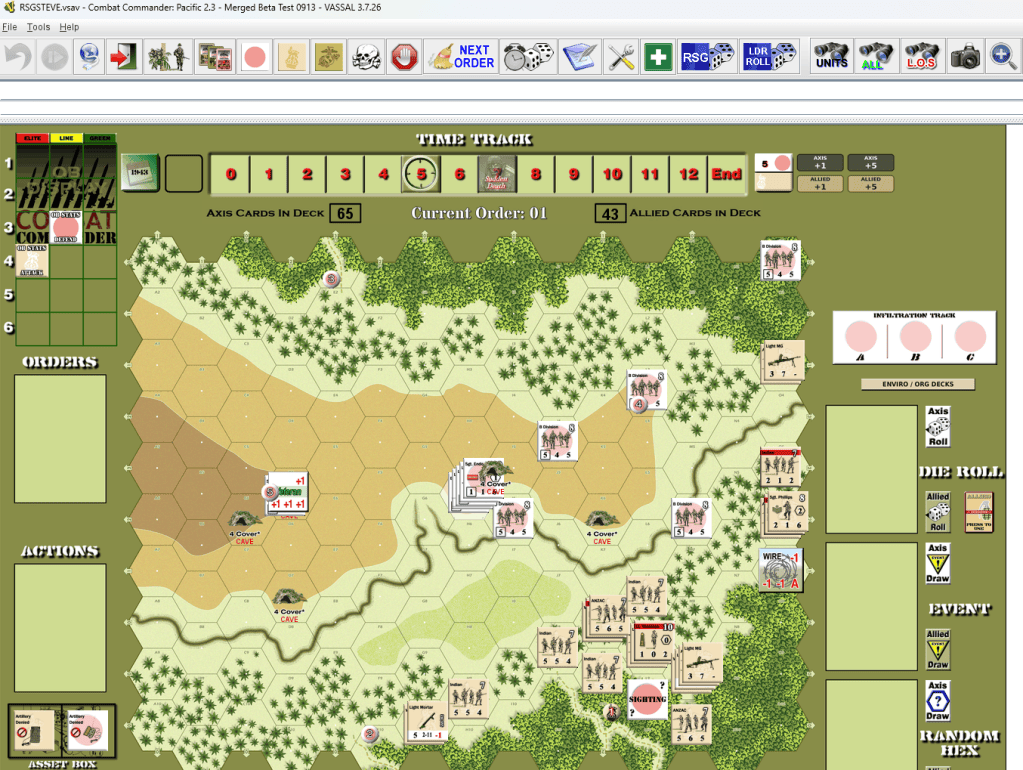
Then there are modules that show how good the experience can be. Combat Commander: Europe and Pacific are among my favorites. From what I have seen, having a dedicated developer who listens to feedback and acts on it makes a real difference. I will come back to that, because the person maintaining a module deserves a place in this conversation.
A Digital Seat at the Table: Why Aren’t More Publishers Offering One?
Here is my question for publishers: What keeps you from developing a good, working VASSAL module?
I understand that development takes time and money. A module needs testing, documentation, and someone willing to maintain it after release. Publishers also have to weigh those expenses against sales and return on investment. I spent years working in big-box retail, so I appreciate that enthusiasm for a product does not automatically pay the bills.
But I also see an opportunity.
Now, I am not a wargame publisher. This is a guy with retail experience and a stack of games offering his two cents. Why not hire a module developer, support an experienced community volunteer, or train a staff member to produce attractive, functional modules? Publishers already invest in making games people want to play. Could helping more people actually play them be a worthwhile part of that investment?
If making a module freely available is a concern, there are other options. Include a download code in the game box. Sell the module separately. Offer it as part of a physical-and-digital bundle. I would be interested in seeing publishers experiment with those approaches.
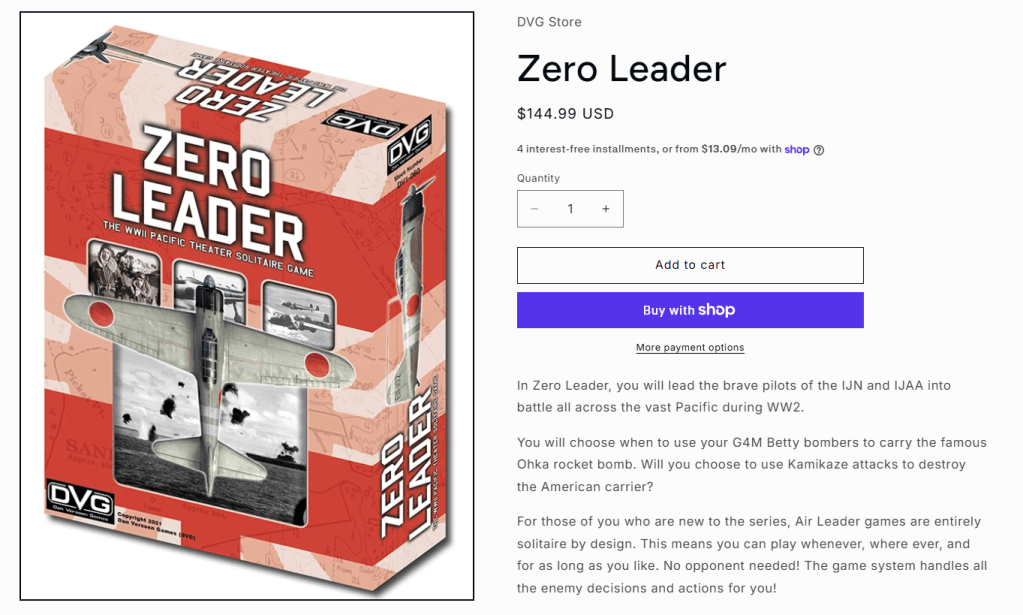
DVG has a model that catches my attention. I have not played one of its VASSAL modules, so I cannot speak to their quality firsthand. But I like the idea of treating a module as a product with its own value. Its Zero Leader module page provides downloads for the rulebook, reference sheets, and pilot logs. That is the kind of supporting material I want alongside a digital game.
At the time of writing, DVG lists the boxed Zero Leader at $144.99 and the VASSAL module at $29.99. That gives me a much less expensive way to get started. If I spend about $30, enjoy the game, and decide I want the cardboard experience, there is a good chance I will buy the boxed version.
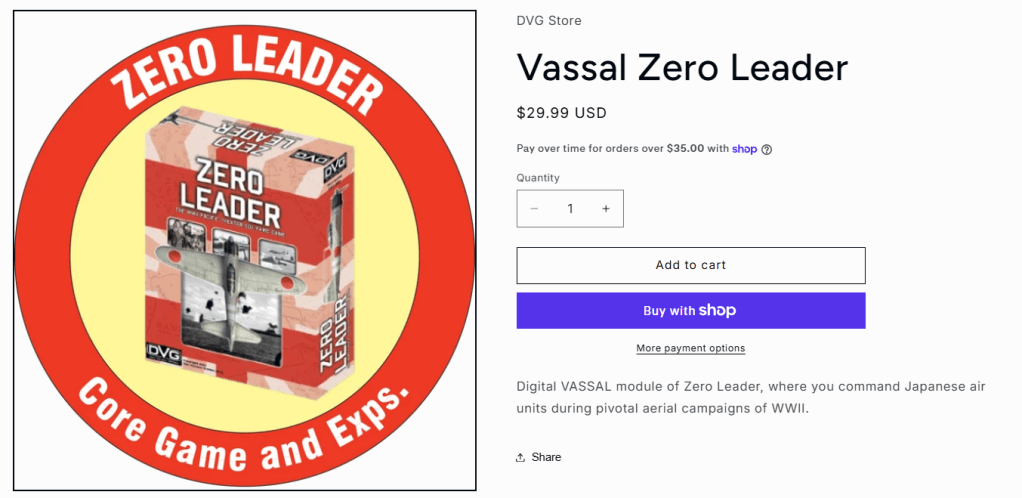
Even if I never make that second purchase, the publisher has still made a digital sale and introduced me to its game. Of course, the business question is whether that sale brings in a new customer or replaces a more profitable boxed purchase. I would love to hear what publishers have experienced.
As a customer, though, I will say this: If I spend roughly $145 on the physical game, I would like access to the module included. Paying for a digital edition makes sense to me. Paying full price twice to play the same game in two formats is a harder sell.
Maybe I am underestimating the development costs, support demands, artwork permissions, or effect on physical sales. Those are fair questions, and I would welcome answers from people who do this for a living.
From my side of the table, a good VASSAL module gives a game more opportunities to be played, taught, and shared. I believe that could help drive sales and bring more people into the hobby.
So, publishers, what am I missing? What would it take to make VASSAL support a regular part of your releases?
Have Faith in the Community
I understand the concern about sharing files. I have not seen security measures in the VASSAL modules I use that would prevent someone from passing a module along to a friend. For a publisher selling a digital product, that is a reasonable worry.
Maybe I am naïve, but I believe most wargamers understand that publishers need to make money to keep producing the games we love. Passion gets a game started, but it does not pay for artwork, printing, shipping, or the next project. If publishers cannot stay in business, they disappear. Lose enough of them, and this hobby we enjoy starts losing its future.
We have a responsibility here, too. If we want quality modules, we should support the people creating them. Buy the product, respect the publisher’s terms, and give useful feedback when something needs fixing.
My message to publishers is simple: Have some faith in the community. You might be surprised. A good VASSAL product could introduce your games to new players, keep existing customers engaged, and perhaps generate more sales. I cannot promise that outcome, but I think the possibility deserves a closer look.
Again, this is just a passionate wargamer thinking out loud. VASSAL helped keep me in this hobby, and I would love to see more players have that same opportunity.
What do you think? Does VASSAL availability influence what you buy? Would you pay for a well-supported module? And if you are a publisher, what opportunities or obstacles do you see?
I would love to welcome a publisher onto the Zone of Control podcast to discuss the pros and cons of VASSAL modules and their place in this amazing hobby.
Let’s have a chat. We all want more great games and more chances to play them.
**A Note About AI: The thoughts, opinions, and experiences in this article are mine. I used AI as an editing tool to help organize my words, correct grammar, and improve readability. My goal was to make the article clear and enjoyable to read while keeping my voice and ideas intact.





Leave a comment